Article
Selling a house in France: from preparation to handing over the keys
Most people selling a house in France do so only a few times in their life. It is only natural, then, that the route — from asking price to notary — feels less familiar than at home. The broad lines are the same everywhere: an honest price, a complete file, a good presentation and genuinely interested buyers. But the French order of steps, deadlines and mandatory documents differ on points that make the difference between a smooth sale and months of waiting.
This article walks through the steps you take when you sell property in France: from the initial preparation to the day you sign at the notary's office. With concrete documents, current rules and a checklist to check where you stand.
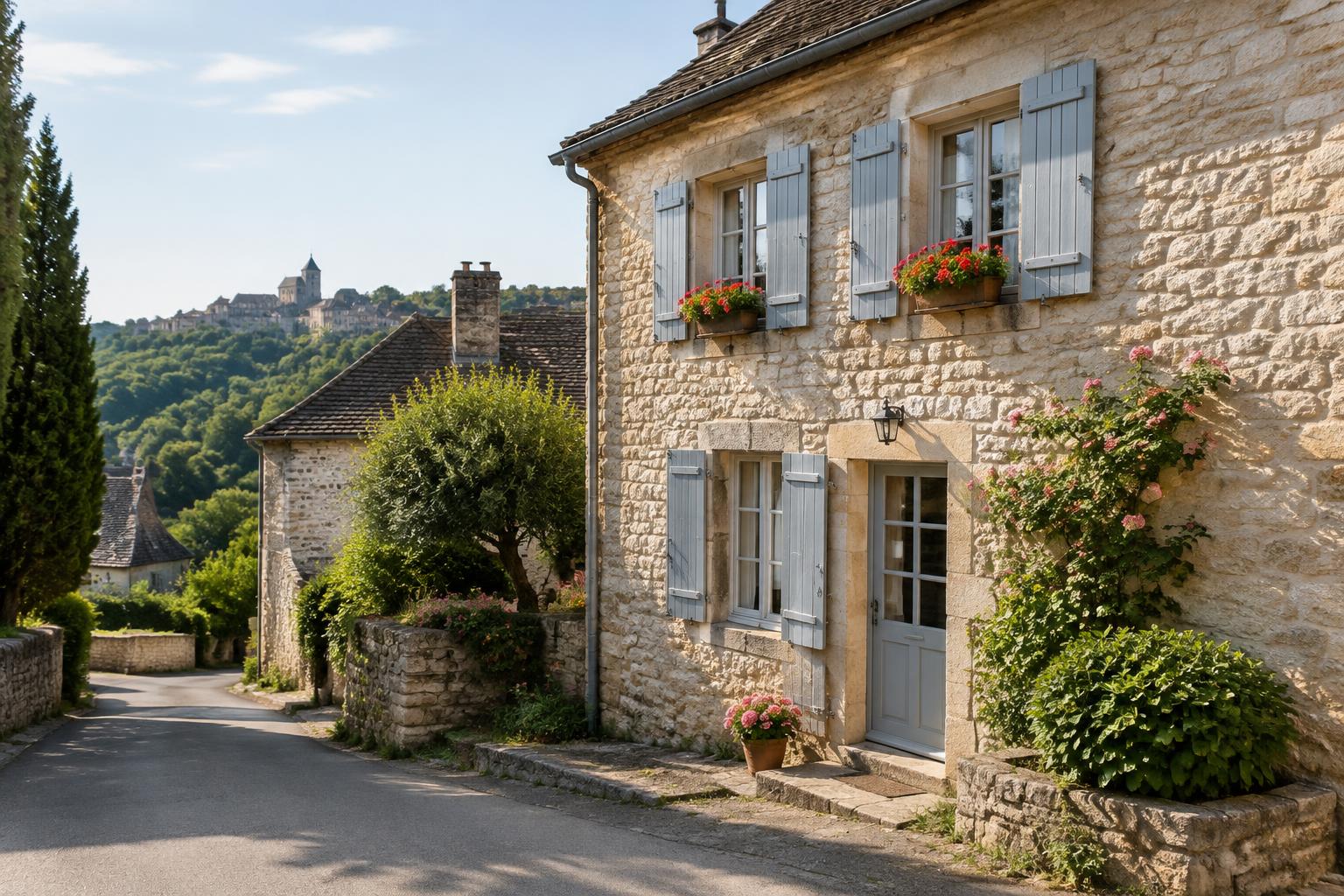
Wondering where to start with your own property? Tell us briefly which house it concerns and your timing.
Email us about your sale plans1. Start with a realistic asking price
The asking price largely determines how quickly and for what price a house sells. A property priced above the market often sits for a long time and, after months of negotiation, can end up selling for less than it would have if it had been realistically priced from the start. We base our price advice on recent, comparable sales in Dordogne, the Lot and Corrèze, and on the condition, location and particularities of your property — not on what you would like to receive or a general national trend.
A well-founded price is also a signal to the buyer and their notary: this file has been thought through. That saves unnecessary negotiation later on.
2. Gather the technical file (DDT) well in advance
When selling a property in France, you put together a dossier de diagnostic technique (DDT): a set of mandatory technical surveys that accompanies the compromis and the acte. The DDT is not a valuation and not a full structural survey — it describes what each surveyor found within their own area of inspection. Which surveys are required depends on the age, location and installations of your property. [1]
- DPE (energy performance certificate): mandatory for every sale. A DPE issued from 1 July 2021 onwards is generally valid for ten years; one issued before that date is no longer valid. [2]
- Energy audit: mandatory since 1 January 2025 when selling a maison individuelle (not necessarily detached) rated E, F or G, to be available from the first viewing. [3]
- État des risques (risk disclosure): information on natural, technological and other risks and, where relevant, soil contamination. Must be provided at the first viewing where one takes place, be less than six months old at signing, and be updated if the situation changes. [4]
- SPANC report: mandatory for a property with an individual wastewater system (fosse septique). Must be less than three years old at the acte. Where non-compliance is identified, the buyer generally has one year after the acte to carry out the repairs — often a point of price negotiation. [5]
- Depending on your property, surveys for lead, asbestos, termites, and gas and electricity installations may also be required.
We have this file checked before the first viewing, so no survey is missing at the moment an interested buyer wants to sign.
3. Gather the rest of your documents
Besides the DDT, the notary and buyers will ask for further documents. The more complete this file is at the first viewing, the more credible your property appears, and the less delay arises later.
- The title deed (titre de propriété) of your property.
- Permits and invoices for any renovations or extensions, with the corresponding déclaration préalable or permis de construire.
- The SPANC report (if there is a fosse septique) and proof of any repair works already carried out.
- The latest taxe foncière assessment.
- For co-owned property (copropriété): the regulations, the most recent meeting minutes and the amount of ongoing charges.
- Land registry (cadastre) data and, where relevant, any existing procès-verbal de bornage of the boundaries.
- For land under agricultural use or lease: the current lease agreement and information on actual use.
4. A presentation that does justice to the property
Good photography and a film that show the property as it is — the light, the spaces, the land around it — attract buyers who are genuinely interested. We show what is actually there, not what a property could one day become. We use drone footage only with an exclusive sales mandate. An open and honest file, combined with a clear presentation, saves time at the viewing itself: buyers arrive better prepared.
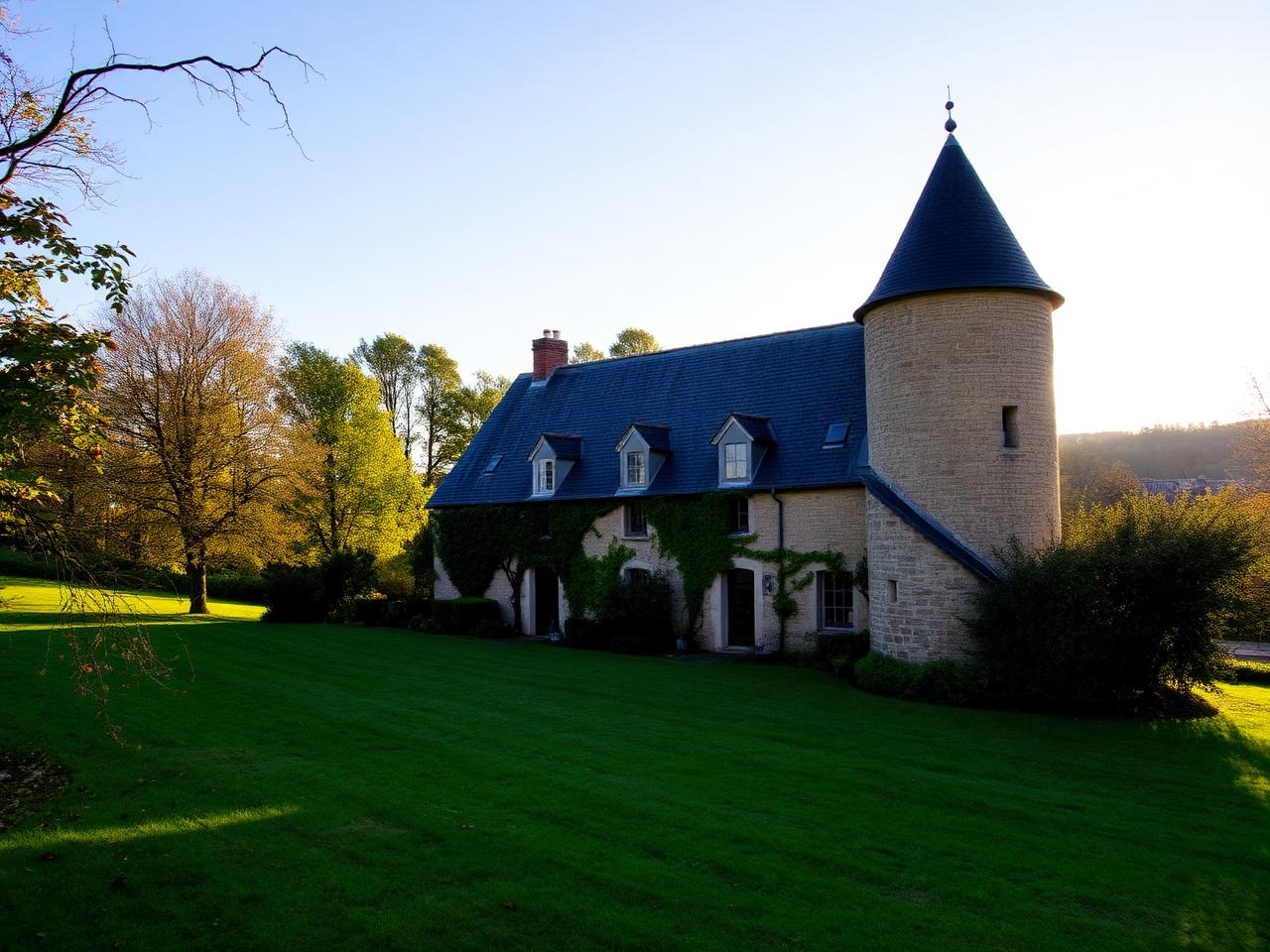
Unsure about timing, or what still needs doing before the first viewing? Send us your questions about the file and we will think it through with you.
Email us your questions about the file5. Reaching buyers in France and beyond
A property with character in Dordogne, the Lot or Corrèze appeals to French buyers as well as buyers from the Netherlands, Belgium, Germany and further afield. We reach these buyers through targeted marketing and our network, and we conduct the viewings ourselves — with a single point of contact from the first question to handing over the keys. That way you always know who has viewed the property and what their reaction was.
6. From offer to compromis de vente
Once you accept an offer, the compromis de vente generally follows: the preliminary contract setting out the price, the property and the conditions, such as a financing condition. From the point of correct notification, a non-professional buyer has a statutory ten calendar-day cooling-off period; within that period, the buyer may withdraw without penalty. If this period ends on a Saturday, Sunday or public holiday, it is extended to the next working day. [6]
Where a financing condition is included, it has its own contractually agreed period, with a statutory minimum of one month. Service-public.fr states 45 to 60 days as the usual period to obtain a loan; this is not a fixed legal duration, nor automatically the completion date. That date is agreed separately and also depends on notarial checks. [7]
7. The acte authentique: the sale becomes final
Only once the acte authentique is signed at the notary's office does the sale become final, and you receive the proceeds, after deduction of any outstanding mortgage and the fees paid by the buyer. Beforehand, the notary checks, among other things, the title, any pre-emption rights (such as that of SAFER for certain rural properties), and the completeness of the file.
Taxe foncière remains payable for the whole year by whoever owned the property on 1 January of that year — even if you sell partway through the year. Buyer and seller can agree a pro-rata split in the acte, but that private arrangement does not change who is legally liable for the tax. Taxe d'habitation has been abolished for main residences; it can still apply to second homes, likewise based on the situation on 1 January. [8, 9]

8. Capital gains tax (plus-value): what do you pay on the profit?
If you sell your main residence, the capital gain is fully exempt from tax, provided the property is your habitual and actual home at the time of sale, or was until shortly before the sale. [10]
If you sell a second home, the capital gain is generally taxable: 19% income tax plus 17.2% social charges on the profit. The longer you have owned the property, the larger the holding-period allowance: full exemption from income tax after 22 years of ownership, and from social charges after 30 years. [11]
If you are not a French tax resident, the same calculation rules and rates apply. For sales above €150,000 you generally need to appoint an accredited tax representative, unless you live in the EU, Iceland or Norway, or the property is already fully exempt due to its holding period. The notary arranges this with you before signing. [12]
These are general rules; your personal situation — household composition, use of the property, previous sales — can affect the outcome. Have the notary or a tax adviser calculate this for your specific file.
Checklist for the seller
Work through this list before the first viewing.
- Is the asking price based on recent, comparable sales in the area?
- Is your DPE valid (issued from 1 July 2021 onwards)?
- Is the energy audit available if your property is rated E, F or G?
- Is the état des risques current and less than six months old?
- Is the SPANC report less than three years old, and are any required repairs clearly identified?
- Are permits and invoices for renovation works complete?
- Do you have the latest taxe foncière assessment and, for co-owned property, the latest meeting minutes?
- Do you know whether your property is your main residence for capital gains purposes, or whether you owe tax as a second home?
- Who conducts the viewings and remains your single point of contact through to the notary?
Would you like to talk through your situation before going further? Tell us about your property, your file and your timing — we will think it through with you without obligation.
Email Ruud and NataschaSources
- Service Public — mandatory technical surveys when selling (DDT) (checked 15 October 2026)
- Service Public — DPE, validity and update (checked 15 October 2026)
- Ministère de la Transition écologique — mandatory energy audit (checked 15 October 2026)
- Service Public — état des risques when selling (checked 15 October 2026)
- Service Public — SPANC report and compliance deadline (checked 15 October 2026)
- Service Public — compromis de vente and statutory cooling-off period (checked 15 October 2026)
- Service Public — financing condition in a sale contract (checked 15 October 2026)
- impots.gouv.fr — taxe foncière when buying or selling during the year (checked 15 October 2026)
- Service Public — taxe d'habitation on second homes
- impots.gouv.fr — exempt capital gains (main residence) (checked 15 October 2026)
- impots.gouv.fr — capital gains calculation and exemption by holding period (checked 15 October 2026)
- impots.gouv.fr — tax representative for sales by non-residents (checked 15 October 2026)